Group Guide
Cats
Forty-odd recognised breeds, one species, and an enormous amount of variation in what living with one is actually like.
Almost everything written about cats is written about cats — as if a Burmese and a British Shorthair want the same day. They don't. Start here for what the whole group has in common, then go breed by breed for the parts that will actually shape your next fifteen years.
At a glance — all cats
- Lifespan
- 12–18 years
- Adult weight
- 3–9 kg
- Daily attention
- 30–90 min
- Alone time tolerated
- Varies by breed
- Grooming
- Coat-dependent
- Noise level
- Breed-dependent
- With children
- Generally good
- With other pets
- Introduce slowly
- Indoor only
- Recommended
Every figure here is a group-wide range. The breed pages narrow each one — that's the whole point of having both.
Breeds · 31 listed
Every entry below is a breed page with its own colours, costs and honest warnings. The portraits are illustrations drawn to show each breed’s typical build, not photographs of individual animals.
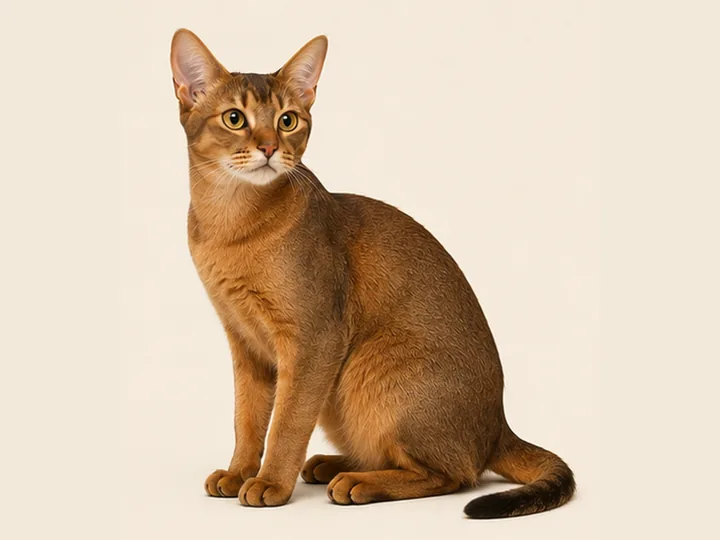
Abyssinian
- High attention
- Low grooming
- Busy
Never still, never on your lap, and never bored. Nor will you be.
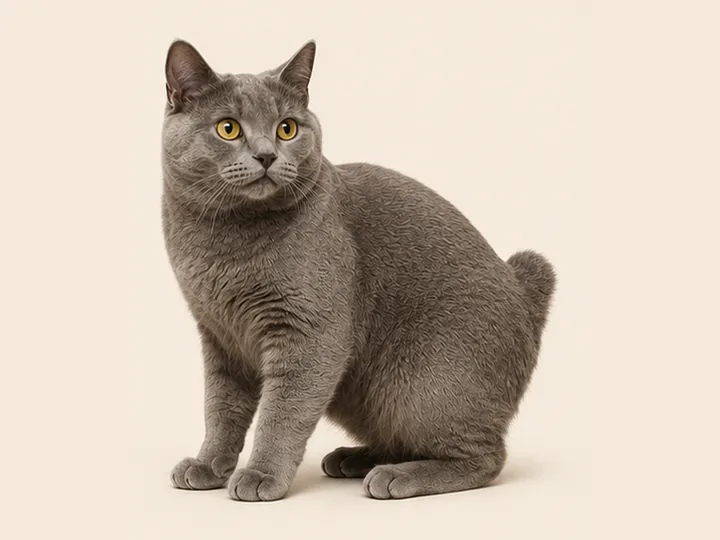
American Bobtail
- Med attention
- Med grooming
- Easygoing
Sturdy, dog-like and unhurried — with a tail gene worth asking about.
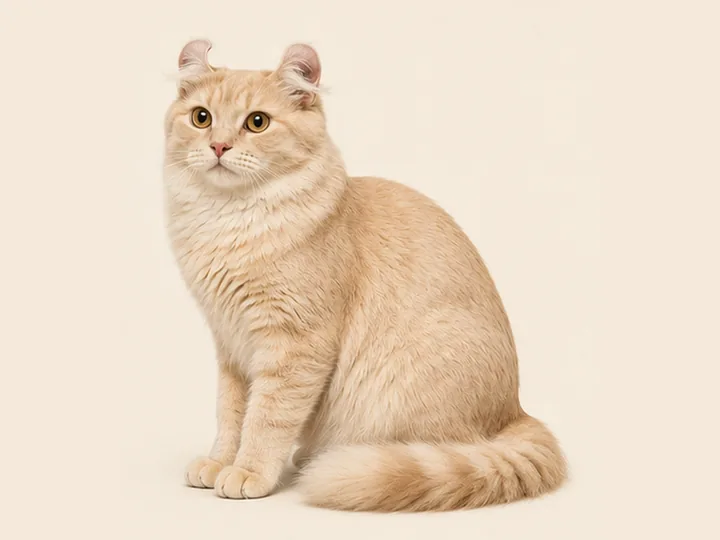
American Curl
- Med attention
- Med grooming
- People-friendly
Curled ears, ordinary cat, and a question worth asking anyway.
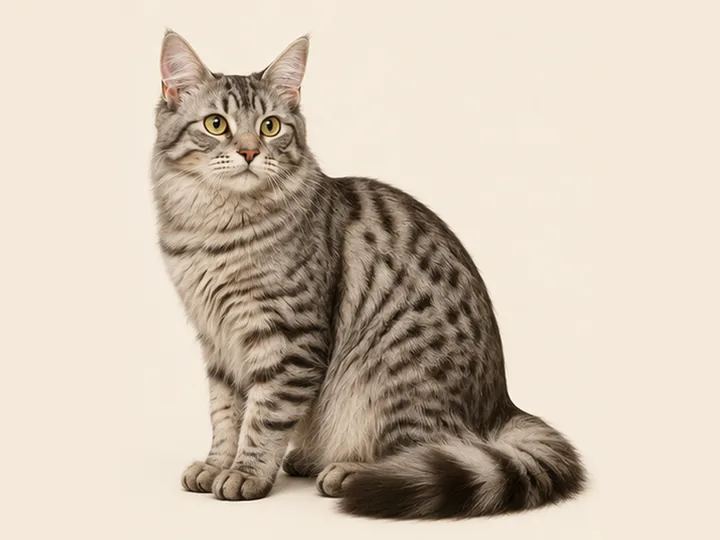
American Shorthair
- Med attention
- Low grooming
- Easygoing
An ordinary cat, bred deliberately to stay ordinary.
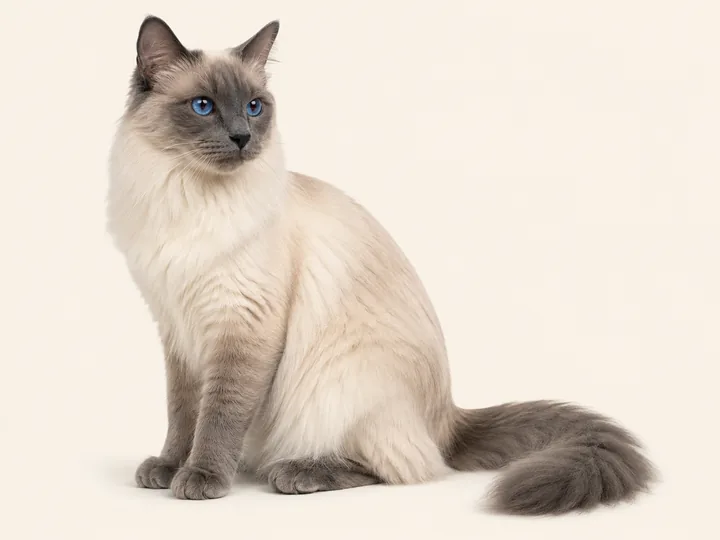
Balinese
- High attention
- Med grooming
- Very vocal
A Siamese with a plume, and the same opinions.
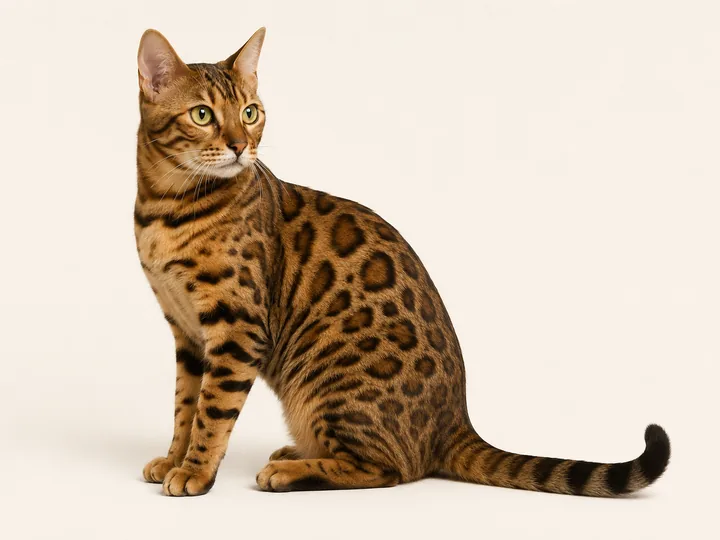
Bengal
- High attention
- Low grooming
- Very active
Loud, athletic, and far more animal than ornament.
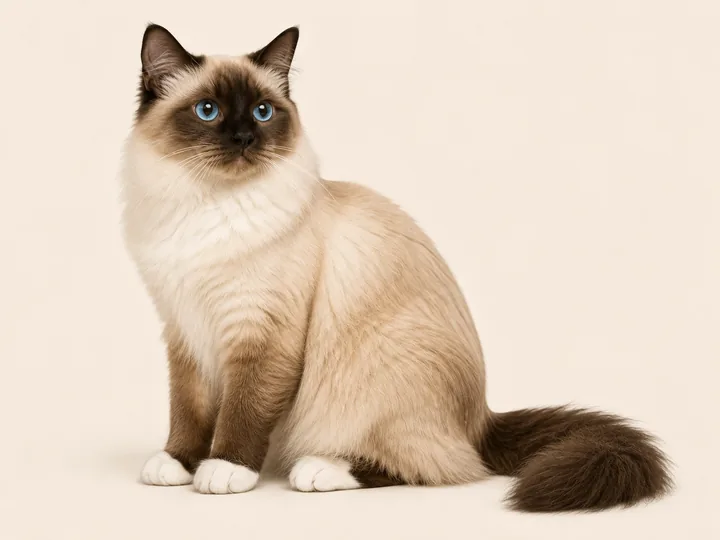
Birman
- Med attention
- Med grooming
- Gentle
Gentle, quiet and easy — the calmest of the pointed breeds.
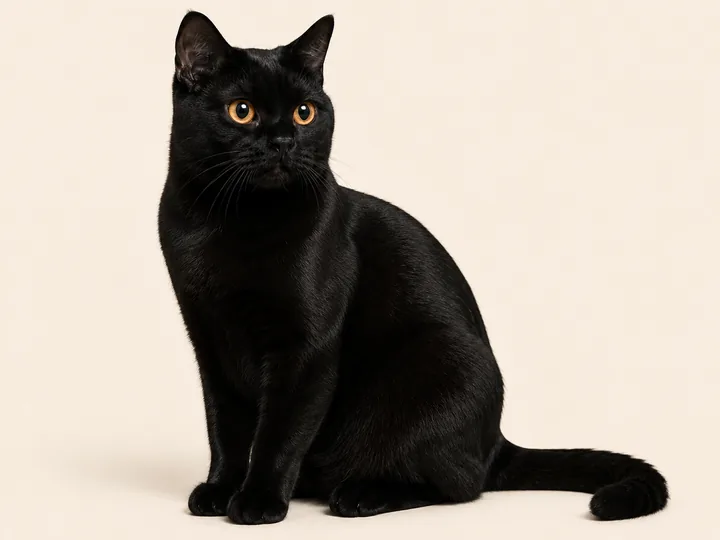
Bombay
- High attention
- Low grooming
- People-loving
A Burmese in black, with the Burmese need for company.
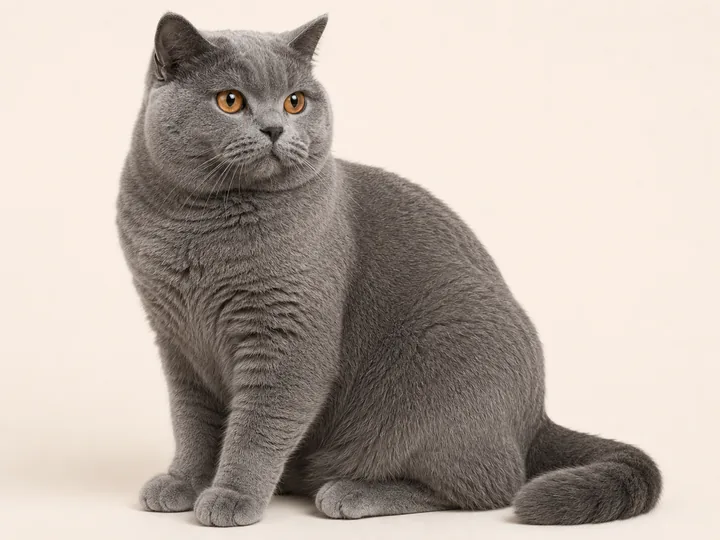
British Shorthair
- Low attention
- Med grooming
- Quiet
Self-contained and undramatic. Happy on the same sofa as you rather than on you.
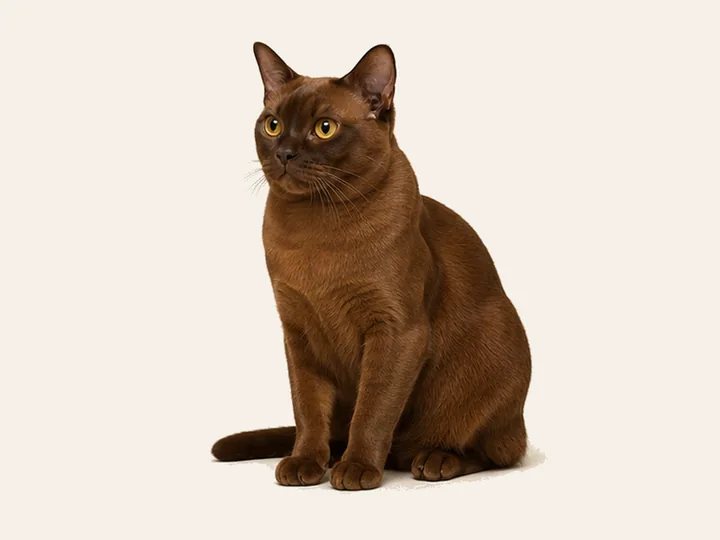
Burmese
- High attention
- Low grooming
- Vocal
Relentlessly social. Will follow you room to room and object loudly to a closed door.
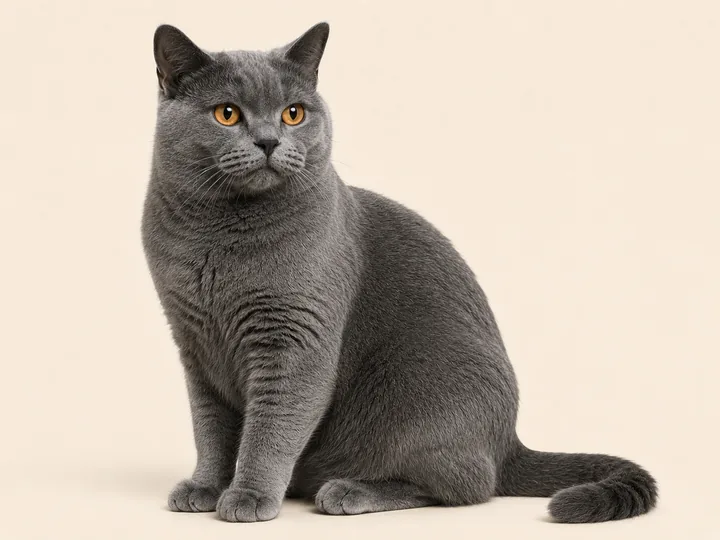
Chartreux
- Low attention
- Med grooming
- Very quiet
A quiet, solid, watchful cat that picks one person.
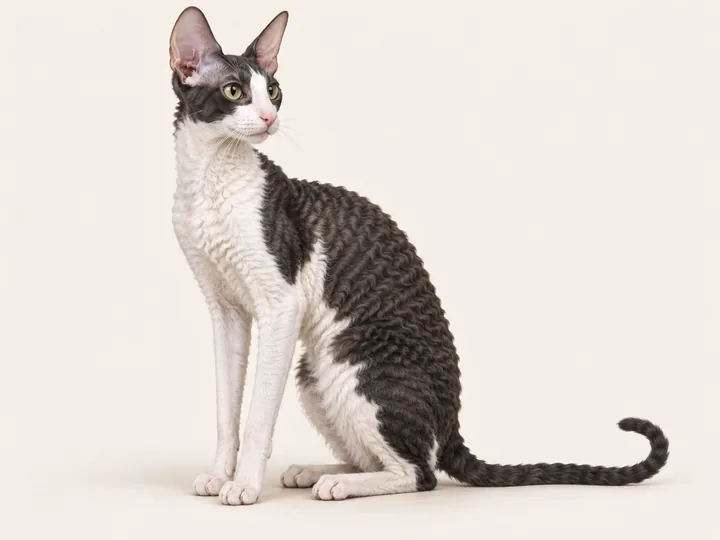
Cornish Rex
- High attention
- Low grooming
- Very active
Built like a whippet, wavy all over, and never sits down.
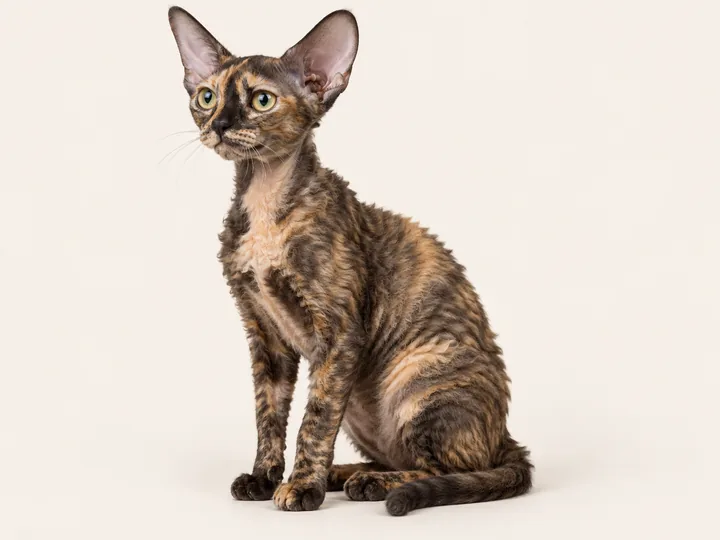
Devon Rex
- High attention
- Low grooming
- People-obsessed
A small, warm, wildly sociable cat that will sit on your neck.
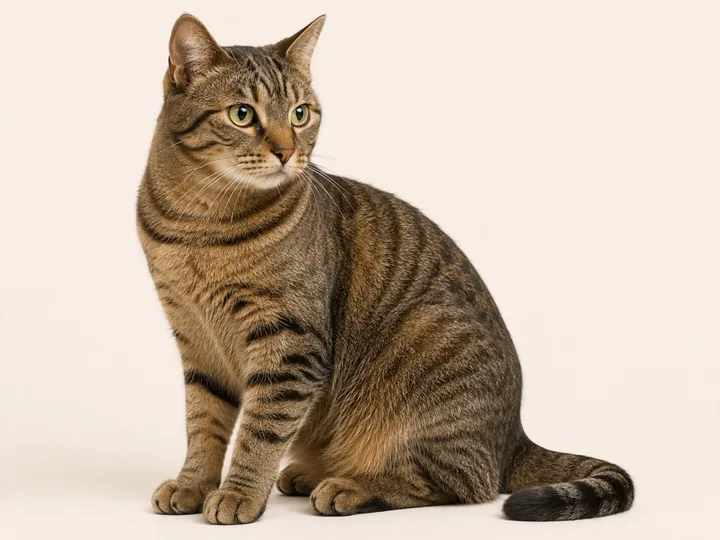
Domestic Shorthair
- Not a breed
- Adopt
Not a breed at all — the moggie in every shelter, and for most households the right answer.
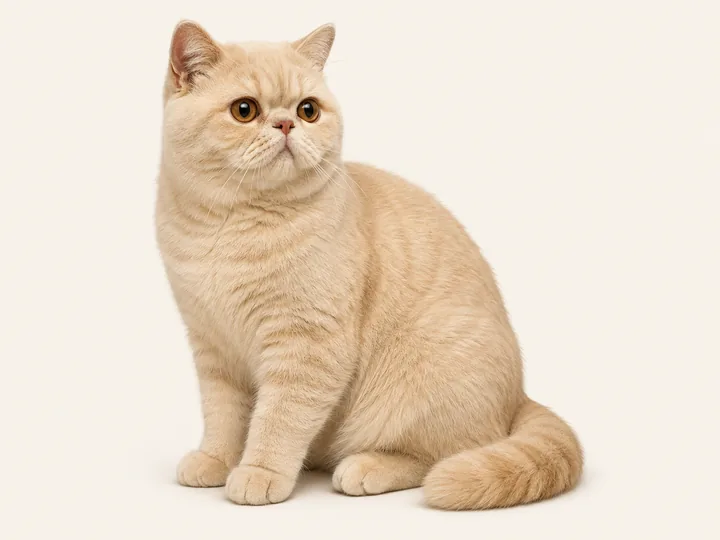
Exotic Shorthair
- Low attention
- Low grooming
- Quiet
The Persian face without the Persian grooming. The face still costs the same.
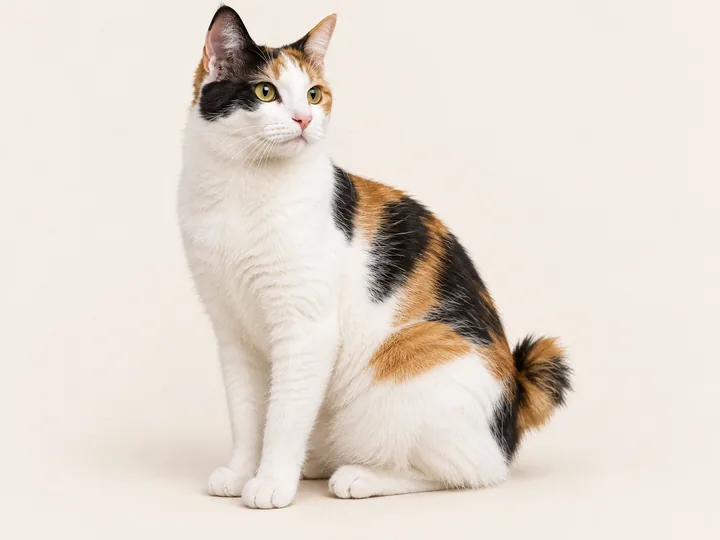
Japanese Bobtail
- High attention
- Low grooming
- Talkative
Talkative, athletic and unusually interactive — and its tail is not the Manx tail.
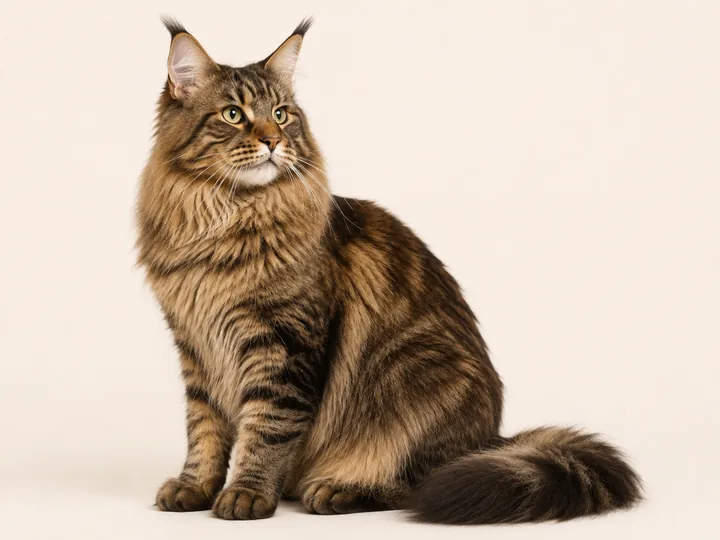
Maine Coon
- Med attention
- High grooming
- Large
Very large, very long-coated. Budget for the grooming and the food, not just the kitten.
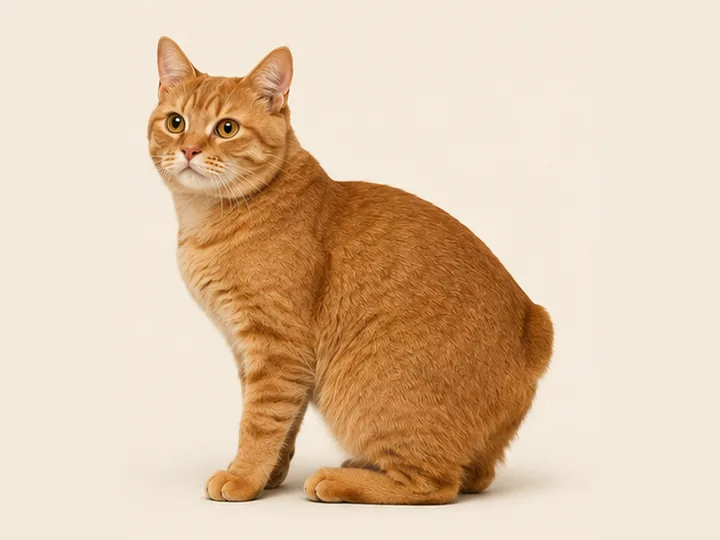
Manx
- Med attention
- Med grooming
- Read this first
A friendly, dog-like cat, and a tail gene with a serious tail of its own.
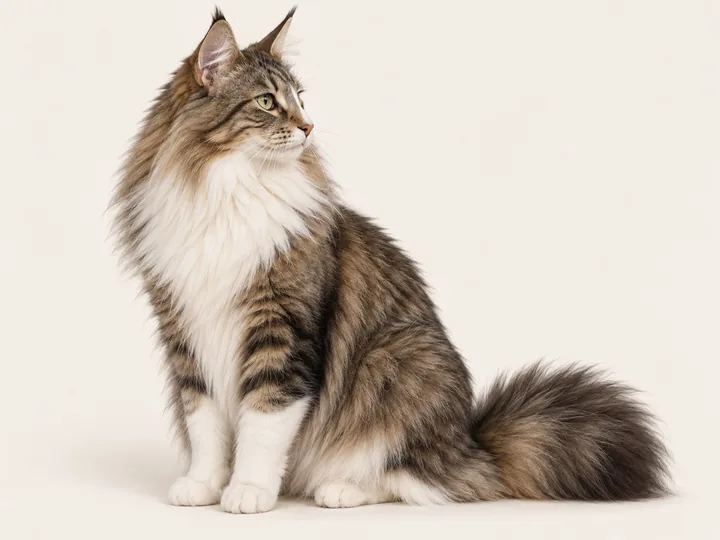
Norwegian Forest Cat
- Med attention
- High grooming
- Calm
Large, calm, weatherproof, and far less needy than it looks.
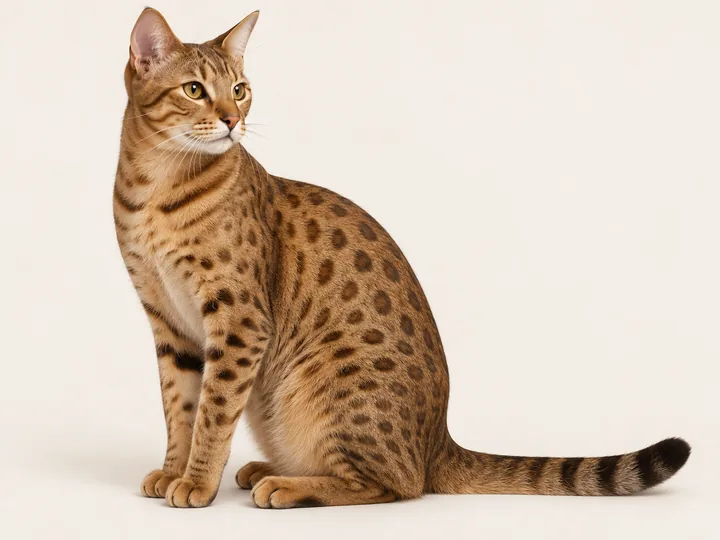
Ocicat
- High attention
- Low grooming
- Very active
Looks like a small wild cat, behaves like a very sociable dog.
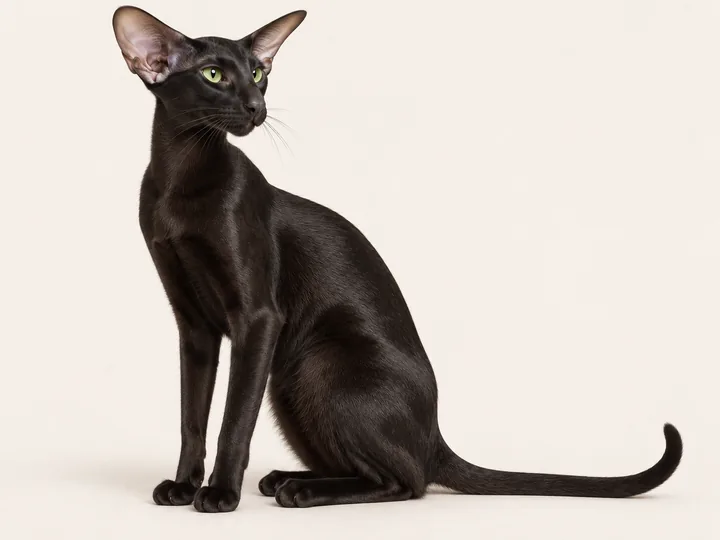
Oriental Shorthair
- High attention
- Low grooming
- Very vocal
A Siamese without the pointing, and every bit as loud about it.
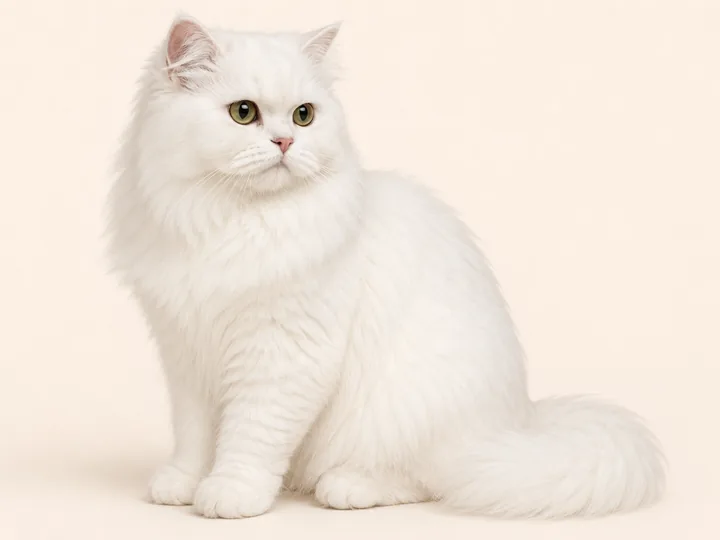
Persian
- Low attention
- High grooming
- Quiet
A quiet, undemanding cat sold in a shape that costs it something.
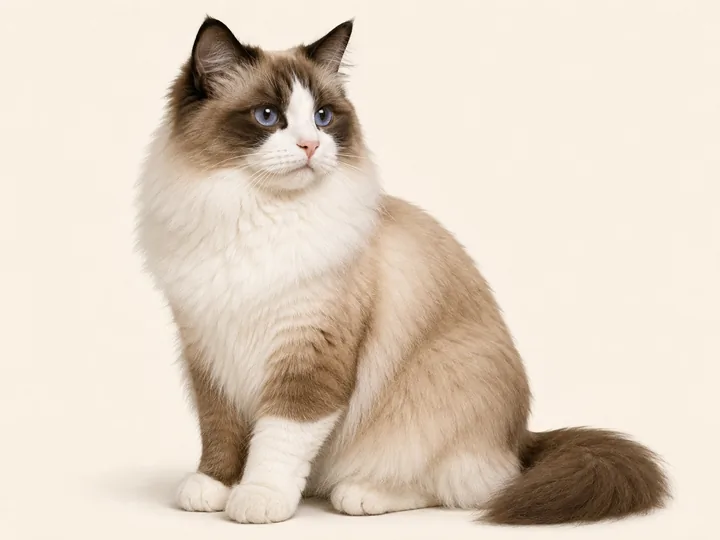
Ragdoll
- Med attention
- High grooming
- Quiet
Placid and heavy. Gentle with children, and too trusting to be safe outdoors unsupervised.
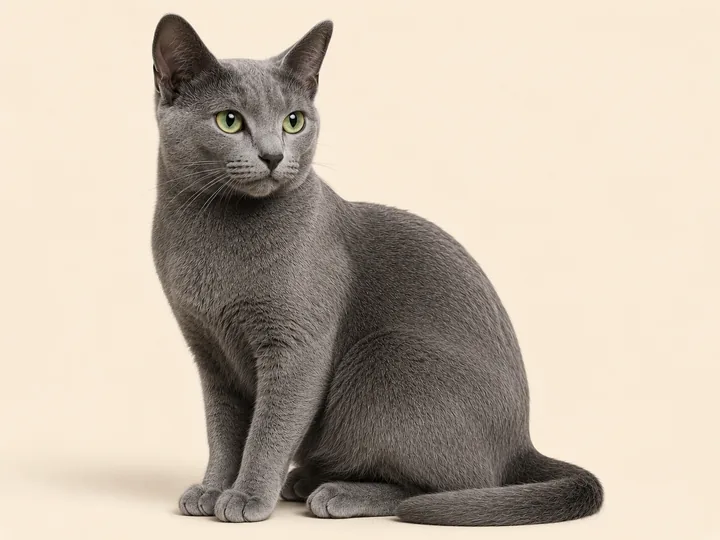
Russian Blue
- Med attention
- Low grooming
- Reserved
Reserved with strangers, devoted to its people, and quietly sensitive to change.
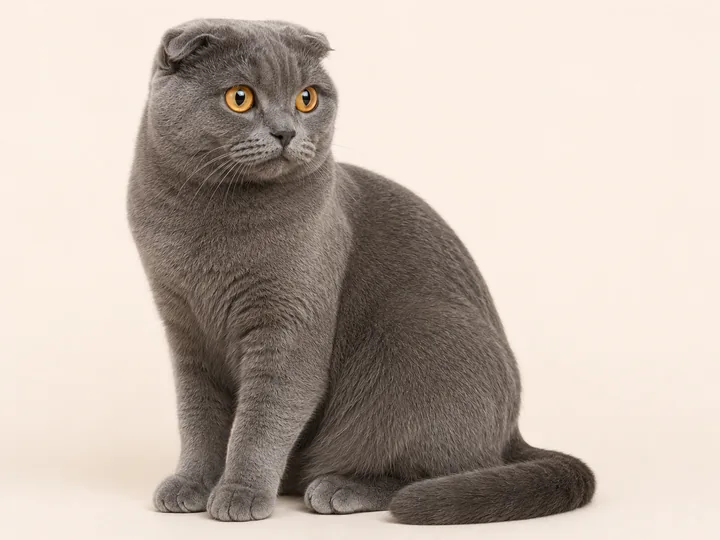
Scottish Fold
- Med attention
- Med grooming
- Read this first
The ears are the defect. You cannot have one without the other.
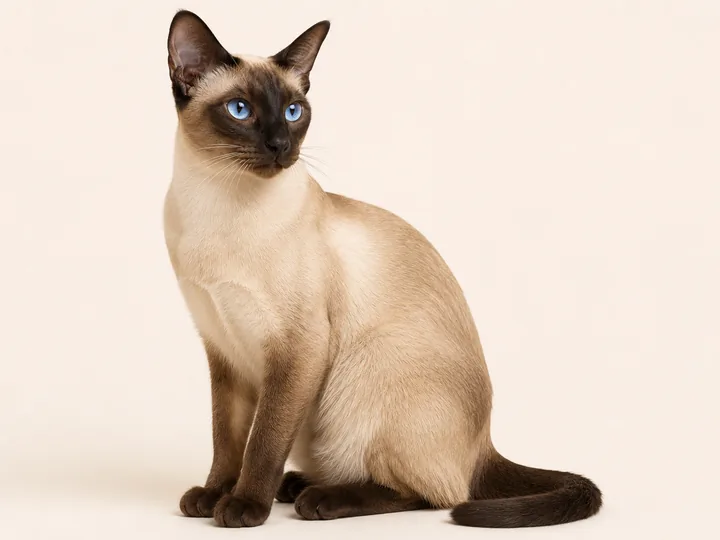
Siamese
- High attention
- Low grooming
- Very vocal
Bright, demanding, and famously loud. A wonderful cat for the wrong household is still the wrong cat.
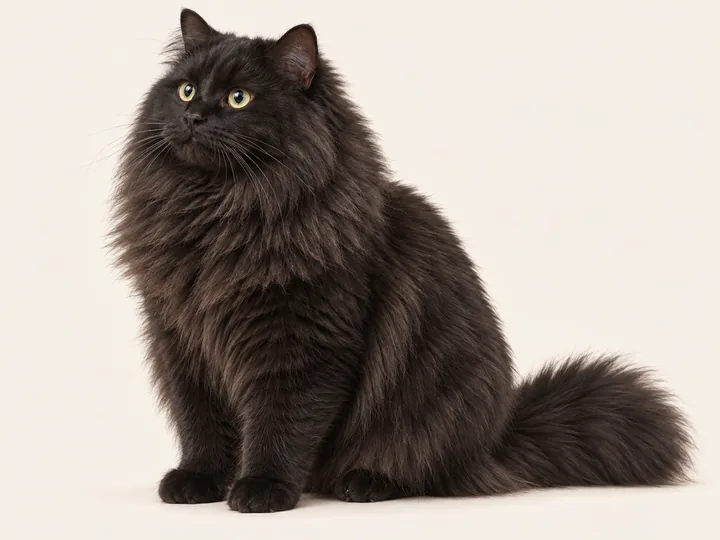
Siberian
- Med attention
- High grooming
- Affectionate
Big, sweet, heavily coated, and repeatedly mis-sold as allergy-safe.
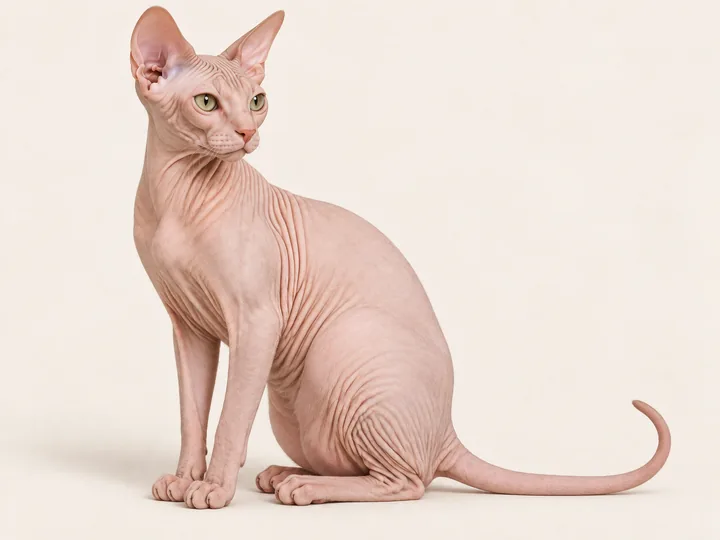
Sphynx
- High attention
- High maintenance
- Vocal
Relentlessly affectionate, needs a heart scan, and is not hypoallergenic.
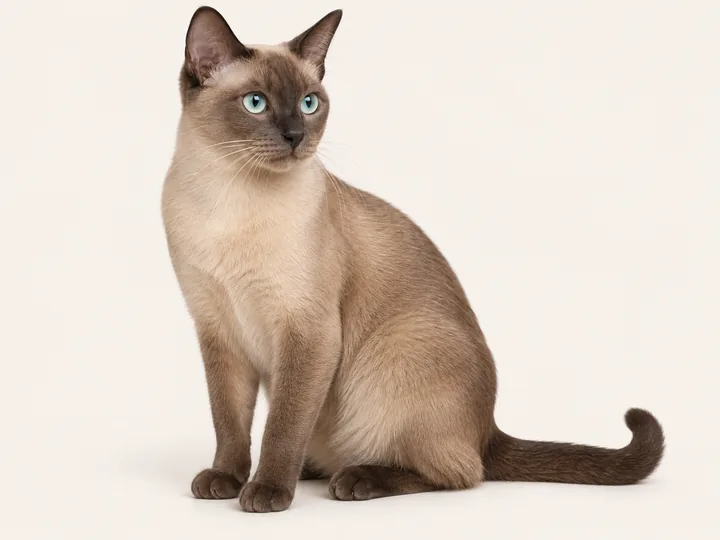
Tonkinese
- High attention
- Low grooming
- Very vocal
Half Burmese, half Siamese, and the demands of both.
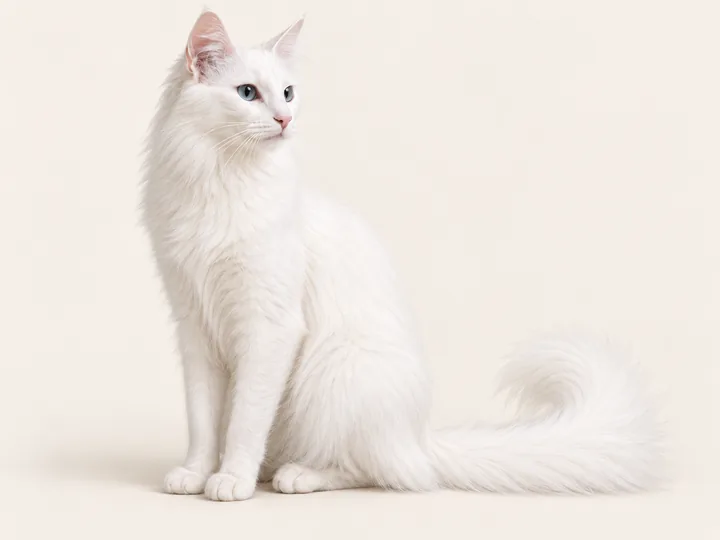
Turkish Angora
- High attention
- Med grooming
- Active
Elegant, athletic and busier than the coat suggests.
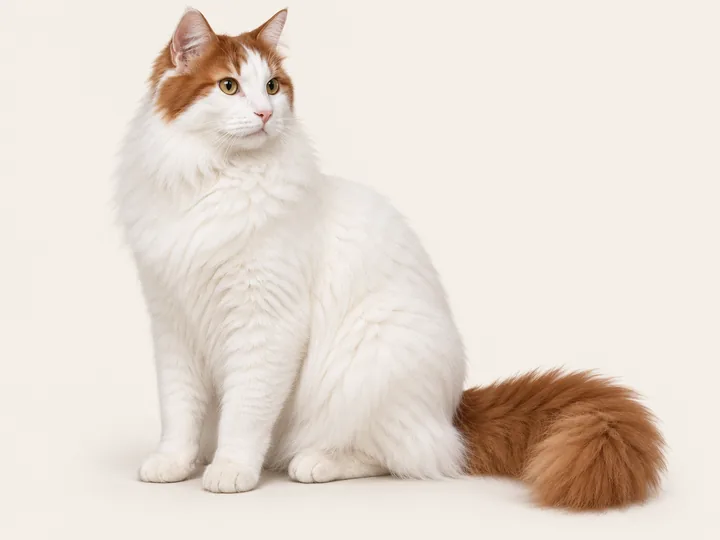
Turkish Van
- High attention
- Med grooming
- Very active
Large, powerful, water-loving, and not a lap cat by any stretch.
Before you go breed shopping
- A breed tells you the odds, not the animal. Two Burmese from the same litter can want different lives.
- The traits that make a breed charming in a video are usually the ones that make it hard to live with at 4am.
- If nothing here fits your week, the honest answer is a cat isn't the pet for you right now. We'd rather say so.
Availability, registration and keeping requirements differ from place to place. Check the rules where you live before you commit to any animal — we describe animals, not law.